

Understanding ESG Reporting
What Is ESG Reporting?
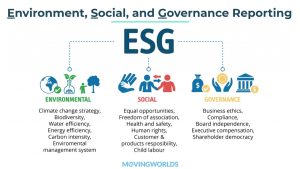
In today’s fast-evolving business landscape, ESG reporting (Environmental, Social, and Governance reporting) has emerged as a key framework that defines how responsible, ethical, and sustainable a company truly is.
It goes beyond financial performance measuring how an organization impacts the environment, supports its workforce and community, and maintains ethical governance.
In simple terms, ESG reporting tells investors, customers, and regulators how a business operates responsibly while pursuing growth.
Why ESG Matters More Than Ever
Businesses worldwide are now being judged not just by profits, but by their purpose.
Whether it’s reducing carbon emissions, promoting fair Labor practices, or maintaining transparency in management, ESG reporting has become the new standard for corporate excellence.
Key reasons why ESG is gaining importance:
- Environmental Responsibility: Tracking and reducing carbon footprints, waste, and energy use.
- Social Accountability: Focusing on employee well-being, diversity, and community impact.
- Governance Integrity: Ensuring ethical decision-making, compliance, and leadership transparency.
This holistic view helps companies demonstrate that they are not only profitable but also principled, something increasingly valued by investors, partners, and customers alike.
ESG Reporting in Pakistan: The Local Context
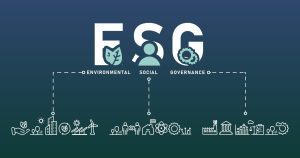
In Pakistan, ESG reporting is gradually gaining momentum as regulatory bodies like SECP encourage listed companies to disclose non-financial data.
Local firms are beginning to recognize that sustainability and transparency are essential for long-term success, especially when competing in international markets.
Companies in industries like manufacturing, textiles, banking, and energy are adopting ESG frameworks to attract foreign investment and meet the growing demand for ethical business practices.
ESG Reporting vs. Traditional Financial Reporting
| Aspect | Traditional Reporting | ESG Reporting |
|---|---|---|
| Focus | Financial performance | Sustainability, ethics & impact |
| Objective | Profitability | Long-term responsibility & transparency |
| Stakeholders | Investors, regulators | Investors, customers, employees, communities |
| Impact | Short-term | Long-term societal and environmental growth |
The Bigger Picture
ESG reporting isn’t just a compliance checklist, it’s a strategic business tool.
It builds trust, enhances brand credibility, and helps organizations attract sustainable investments.
For Pakistani businesses, embracing ESG isn’t optional anymore, it’s the pathway to global competitiveness and resilience.
Want to make your business ESG-compliant and future-ready?
Farooqi & Co. helps companies in Pakistan develop transparent ESG reporting systems, aligned with global sustainability standards for long-term growth and investor trust.
Q: What does ESG reporting mean for small and medium businesses in Pakistan?
A: For SMEs, ESG reporting helps attract investors, improve credibility, and comply with local and international sustainability expectations, even simple steps like documenting energy efficiency or workplace diversity can make a strong impact.
The Global Shift Toward Sustainable Business Practices

The Rise of Responsible Capitalism
Over the last decade, the global business landscape has shifted dramatically moving from profit-first models toward purpose-driven sustainability.
This evolution is driven by investors, consumers, and regulators who expect companies to do well financially while doing good socially and environmentally.
From global giants like Unilever and Microsoft to local enterprises in Pakistan, businesses are realizing that sustainability is not a trend, it’s a transformation.
Why the Global Push for ESG Reporting Is Accelerating
Several powerful forces are driving the adoption of ESG reporting worldwide:
- Investor Demand: Global investment funds now prioritize ESG-compliant businesses that manage risk responsibly.
- Regulatory Pressure: Governments and stock exchanges are mandating ESG disclosures to improve transparency.
- Consumer Awareness: Customers prefer ethical brands that demonstrate care for the planet and society.
- Financial Benefits: ESG-compliant companies enjoy better credit ratings, easier financing, and investor trust.
- Corporate Responsibility: Sustainability initiatives enhance brand image and employee engagement.
These trends are now reshaping boardroom priorities, where sustainability and governance discussions hold as much weight as profitability.
🇵🇰 ESG Momentum in Pakistan
In Pakistan, the movement toward ESG reporting is gaining speed as businesses recognize the strategic benefits of sustainable operations.
Key developments include:
- The SECP’s Sustainability Guidelines (2023) encouraging ESG disclosures for listed companies.
- Increased pressure from global buyers on export industries (like textiles and manufacturing) to comply with ESG standards.
- Banks and financial institutions considering ESG performance when evaluating loan applications.
This shift signals that companies failing to adapt may soon be left behind, while those embracing ESG will thrive in global value chains.
Comparison: Traditional Growth vs. Sustainable Growth
| Aspect | Traditional Business Growth | Sustainable (ESG-led) Growth |
|---|---|---|
| Focus | Short-term profits | Long-term value creation |
| Measurement | Financial metrics only | Financial + Environmental + Social metrics |
| Risk Management | Reactive | Proactive & preventive |
| Stakeholder Value | Shareholder-focused | Multi-stakeholder inclusive |
| Investor Appeal | Limited | High – preferred by ESG-focused investors |
This comparison shows why sustainability-driven organizations are becoming the new benchmark of success, not just for reputation, but for long-term financial resilience.
Real-World Examples
- Nestlé adopted ESG strategies to achieve carbon neutrality and strengthen consumer loyalty.
- Meezan Bank (Pakistan) incorporated ESG policies into operations, earning recognition for ethical governance.
- Engro Corporation continues to lead in environmental responsibility through sustainability reporting aligned with global frameworks.
These examples prove that ESG is not limited to large corporations, it’s a growth enabler for all businesses.
Looking to align your organization with global sustainability trends?
Farooqi & Co. assists businesses in developing and implementing ESG frameworks that comply with both Pakistani and international standards, helping you build long-term credibility and investor confidence.
Q: Why are investors prioritizing companies with ESG disclosures?
A: Investors view ESG reporting as a sign of stability, transparency, and risk management. Businesses that address environmental and social concerns are more resilient and offer lower long-term financial risk, making them attractive investment options.
Breaking Down the Three Pillars of ESG
Understanding the Core of ESG
At its heart, ESG reporting revolves around three fundamental pillars Environmental (E), Social (S), and Governance (G).
Each component represents a key area where businesses can measure and demonstrate their commitment to responsible operations and sustainable growth.
Together, they form the foundation for ethical decision-making, long-term profitability, and stakeholder trust.
- Environmental (E): Protecting the Planet
The environmental pillar focuses on how a business impacts the natural world from energy consumption to waste management and climate responsibility.
Key Focus Areas:
- Carbon footprint measurement and reduction
- Waste management and recycling practices
- Water conservation and renewable energy usage
- Sustainable sourcing and production methods
Why It Matters:
Companies that invest in environmental responsibility reduce costs, improve efficiency, and attract eco-conscious investors and customers.
Example:
A textile manufacturer in Faisalabad implementing solar energy and eco-friendly dyes not only reduces pollution but also positions itself as a global exporter of sustainable fabrics.
-
Social (S): Empowering People and Communities
The social pillar evaluates how organizations manage their relationships with employees, customers, and communities.
It’s about creating a workplace and social environment that promotes fairness, equality, and well-being.
Key Focus Areas:
- Employee health, safety, and diversity
- Fair wages and Labor practices
- Customer satisfaction and privacy
- Community engagement and philanthropy
Why It Matters:
Strong social performance leads to higher employee retention, better brand reputation, and customer loyalty.
Example:
A bank in Karachi that supports gender diversity and community education programs strengthens both its workforce morale and brand trust.
- Governance (G): Ensuring Ethical Leadership
Governance focuses on the internal systems, policies, and leadership practices that ensure integrity and transparency within an organization.
Key Focus Areas:
- Board diversity and accountability
- Anti-corruption and ethical conduct policies
- Transparent financial reporting
- Stakeholder and shareholder rights
Why It Matters:
Strong governance ensures long-term stability and resilience against legal, reputational, or financial risks.
Example:
A corporate group in Lahore that maintains transparent audit trails and board oversight demonstrates trustworthiness to investors and regulators alike.
Comparison: Companies With vs. Without Strong ESG Frameworks
| Aspect | With Strong ESG Practices | Without ESG Practices |
|---|---|---|
| Brand Reputation | Trusted, ethical image | Risk of negative publicity |
| Investor Interest | High, stable investments | Limited or short-term capital |
| Employee Morale | Motivated, loyal workforce | Low satisfaction and turnover |
| Compliance | Proactive and transparent | Reactive, frequent violations |
This comparison shows that ESG-integrated companies not only grow sustainably but also build stronger stakeholder confidence.
The Takeaway
Each ESG pillar complements the other environmental efforts protect resources, social initiatives strengthen relationships, and governance ensures accountability.
When balanced effectively, these pillars build a resilient business model that delivers both financial performance and ethical impact.
Ready to build a powerful ESG framework tailored for your business?
Farooqi & Co. helps organizations in Pakistan create data-backed ESG strategies that meet international standards and improve investor appeal.
Q: What kind of data is required for proper ESG reporting?
A: ESG reporting requires both quantitative data (like energy use, carbon output, diversity ratios) and qualitative insights (like governance policies or social initiatives).
A professional advisor like Farooqi & Co. can help ensure your data meets global ESG benchmarks and local regulatory requirements.
ESG Reporting as a Competitive Advantage
Turning Responsibility into Opportunity
In today’s competitive market, ESG reporting has moved from being a regulatory requirement to becoming a strategic advantage.
Companies that embrace environmental responsibility, social inclusion, and strong governance are outperforming their peers not just in public perception, but in profitability, risk management, and investor trust.
In Pakistan, as global investors increasingly seek transparency and ethical performance, businesses with robust ESG frameworks are better positioned to attract capital, retain customers, and ensure long-term success.
- Building Brand Trust and Reputation
Consumers are more aware than ever. They want to engage with companies that reflect their values and ethics.
ESG reporting showcases a brand’s commitment to sustainability and integrity, building trust and credibility among stakeholders.
Benefits:
- Strengthened brand loyalty
- Improved media and public image
- Positive perception among regulators and investors
Example:
A Karachi-based energy company publishing transparent ESG data on carbon reduction and community initiatives builds greater trust with both the public and regulators.
- Attracting Investors and Financial Partners
Institutional investors and global funds now prioritize ESG-aligned portfolios.
A transparent ESG strategy reduces perceived risk and makes businesses more investment-worthy.
Why investors prefer ESG-ready companies:
- Lower regulatory risk
- Improved operational efficiency
- Long-term sustainability and growth potential
Example:
Foreign investors are more likely to partner with Pakistani companies that comply with ESG frameworks like GRI or IFRS S1/S2, ensuring international standards of disclosure.
- Employee Retention and Engagement
ESG isn’t only about the planet, it’s also about people.
Companies that promote diversity, safety, and ethical governance attract top talent and enjoy higher employee retention rates.
Key ESG-driven HR outcomes:
- Increased employee satisfaction
- Better leadership accountability
- Enhanced productivity and innovation
Example:
A financial firm in Lahore implementing workplace diversity and wellness programs has reported a 20% reduction in turnover and stronger employee engagement.
- Risk Management and Long-Term Value
Strong ESG frameworks help identify and mitigate risks from climate change impacts to governance lapses.
Businesses with ESG awareness can anticipate threats, adapt to new regulations, and sustain operations during uncertainty.
Common risk areas ESG helps manage:
- Supply chain disruptions
- Legal and compliance issues
- Market reputation risks
- Environmental liabilities
Comparison: Traditional Companies vs. ESG-Driven Companies
| Aspect | Traditional Companies | ESG-Driven Companies |
|---|---|---|
| Investor Confidence | Moderate | High & long-term focused |
| Risk Exposure | High | Proactively managed |
| Brand Loyalty | Transactional | Emotional & lasting |
| Profitability | Short-term | Sustainable growth |
| Employee Turnover | Frequent | Low due to strong culture |
This comparison proves that ESG reporting isn’t just good ethics, it’s good business.
The Competitive Edge
In Pakistan’s evolving economic landscape, ESG-conscious businesses are leading in sectors like banking, energy, manufacturing, and technology.
They are proving that responsibility and profitability can grow together.
Want to make ESG your business advantage?
Farooqi & Co. provides expert ESG consulting and reporting solutions that help businesses build investor confidence, reduce risks, and enhance brand reputation locally and globally.
Q: Can ESG reporting really improve a company’s market value?
A: Yes. ESG-compliant companies often attract more investors, achieve better financing terms, and maintain stronger brand equity. Over time, this leads to sustainable profitability and higher valuation in both local and international markets.
Challenges in Implementing ESG Reporting
Implementing ESG (Environmental, Social, and Governance) reporting is essential for sustainable business growth, but many organizations especially in Pakistan face notable challenges in doing so effectively.
While the benefits are clear, translating ESG goals into measurable, auditable, and reportable outcomes remains a complex task.
- Lack of Awareness and Expertise
Many businesses still lack awareness of ESG standards, reporting frameworks (like GRI or SASB), and global compliance expectations. Without in-house expertise, companies struggle to interpret and implement ESG requirements, often resulting in inconsistent or incomplete reporting.
- Data Collection and Quality Issues
Reliable data management is a critical barrier. Gathering data across departments environmental impact, HR practices, governance procedures require robust systems. Small and mid-sized enterprises (SMEs) in Pakistan often rely on manual tracking, which limits accuracy and comparability.
- Absence of Regulatory Guidance
Pakistan is still developing a comprehensive ESG regulatory framework. In contrast, developed economies have established mandates for sustainability disclosures. This regulatory gap makes it challenging for local businesses to determine which standards to follow, creating uncertainty in reporting.
- High Implementation Costs
Integrating ESG strategies often involves technology investments, audits, and sustainability consultants. For smaller firms, these costs can be prohibitive, discouraging proactive ESG adoption.
- Cultural and Organizational Resistance
Transitioning from profit-first models to sustainability-driven strategies can meet internal resistance. Many leadership teams still perceive ESG as a cost centre rather than a long-term value driver.
Comparison: Developed vs. Emerging Markets
| Aspect | Developed Markets | Emerging Markets (e.g., Pakistan) |
|---|---|---|
| ESG Regulations | Mandatory, structured | Voluntary, evolving |
| Data Systems | Advanced, digital | Limited, manual |
| Awareness | High | Moderate to low |
| Reporting Costs | Managed through incentives | Often prohibitive |
At Farooqi & Co., we help organizations in Pakistan build strong ESG frameworks that meet global standards without overwhelming your resources.
Contact us today to simplify your ESG reporting journey.
Q: What’s the biggest hurdle Pakistani companies face in ESG reporting?
A: The main challenge is the lack of standardized reporting guidelines and data management infrastructure, making it difficult for businesses to align with global ESG expectations.
Global ESG Trends and Their Relevance to Pakistani Businesses
In recent years, ESG (Environmental, Social, and Governance) standards have evolved from a corporate trend to a global business imperative.
Around the world, investors, regulators, and consumers are holding companies accountable for their environmental impact, ethical governance, and social responsibility.
For Pakistani businesses, keeping up with these trends isn’t just about compliance, it’s about competitiveness and reputation in a globalized market.
- Rise of Mandatory ESG Disclosures
In regions like the EU, UK, and USA, governments have introduced strict ESG disclosure regulations. Public companies are now required to report sustainability metrics, carbon footprints, and Labor practices.
For Pakistani firms, especially exporters or multinationals, aligning with these international standards can enhance market access and investor trust.
- Shift Toward Green Financing
Global financial institutions increasingly prefer companies with sustainable business models. Banks and investors offer better financing rates to organizations that demonstrate measurable ESG performance.
Pakistani businesses can leverage this trend to secure green loans or impact investments by integrating ESG reporting into their operations.
- Integration of ESG into Corporate Strategy
Globally, leading companies no longer treat ESG as an “add-on.” Instead, it’s embedded into corporate decision-making, influencing operations, supply chains, and leadership incentives.
Pakistani firms can emulate this by aligning business goals with UN Sustainable Development Goals (SDGs) a strategy that boosts both credibility and long-term growth.
- Increased Use of Technology in ESG Monitoring
From AI-driven analytics to blockchain transparency tools, companies worldwide use technology to collect and verify ESG data.
By adopting similar tools, Pakistani organizations can enhance reporting accuracy and minimize the risk of “greenwashing.”
-
Comparison: Global vs. Pakistani ESG Landscape
| Aspect | Global Trends | Pakistan’s Current Scenario |
|---|---|---|
| Regulation | Structured ESG laws and reporting mandates | Nascent stage; limited guidelines |
| Investor Pressure | High | Growing interest from local investors |
| Corporate Integration | Embedded in strategy | Often limited to CSR efforts |
| Technology Use | Advanced data-driven ESG tools | Basic or manual tracking systems |
Stay ahead of changing global ESG trends with Farooqi & Co.
We help Pakistani businesses align with international ESG reporting frameworks, attract responsible investors, and enhance sustainability performance.
Get in touch today to make your business future-ready.
Q: Why should Pakistani businesses follow global ESG trends if local regulations are limited?
A: Because adopting international ESG standards builds investor confidence, improves export potential, and prepares your business for future regulatory changes in Pakistan.
The Role of Accountants and Auditors in ESG Reporting
As ESG (Environmental, Social, and Governance) reporting becomes a key factor in business success, the roles of accountants and auditors are evolving beyond traditional financial reporting.
In today’s landscape, they are crucial in ensuring ESG data is accurate, reliable, and compliant with both local and international standards.
For Pakistani businesses, leveraging the expertise of professional accountants can mean the difference between compliance and leadership in sustainability.
- Accountants as ESG Data Managers
Accountants play a central role in collecting, analyzing, and validating ESG data.
They ensure that sustainability metrics such as energy consumption, carbon emissions, and social responsibility initiatives are recorded with the same precision as financial data.
This helps in developing transparent, quantifiable ESG reports that stakeholders can trust.
- Auditors as ESG Assurance Providers
Auditors ensure that an organization’s ESG reports meet credibility and accuracy standards.
Independent ESG audits help businesses verify their sustainability claims and avoid greenwashing, a growing global concern.
In Pakistan, as ESG reporting gains traction, auditors are expected to introduce independent assurance practices similar to those in developed markets.
- Integration with Financial Reporting
Modern accountants integrate ESG data into financial reporting frameworks, linking sustainability to profitability.
For instance, environmental risks like high energy use or poor waste management can be translated into financial liabilities, helping businesses take proactive measures.
-
Comparison: Traditional Accounting vs. ESG Accounting
| Aspect | Traditional Accounting | ESG Accounting |
|---|---|---|
| Focus | Financial transactions | Financial + non-financial impact |
| Objective | Profit and compliance | Sustainability and transparency |
| Reporting Standards | IFRS / GAAP | GRI / SASB / TCFD |
| Outcome | Financial statements | ESG disclosures & sustainability reports |
- Skill Evolution for Accountants
To meet the demands of ESG reporting, accountants need to develop expertise in:
- Sustainability standards (e.g., GRI, ISSB)
- Carbon accounting and environmental metrics
- Ethical governance reporting
- Data analytics tools for ESG measurement
These skills not only enhance their professional scope but also increase their strategic value within organizations.
Partner with Farooqi & Co. to ensure your ESG reports meet the highest standards of accuracy and compliance.
Our expert accountants and auditors help you integrate sustainability seamlessly into your financial strategy.
Connect with us today for ESG-driven accounting solutions.
Q: Why should accountants be involved in ESG reporting?
A: Because they ensure the accuracy, consistency, and accountability of ESG data, making sustainability reports as reliable as financial statements.
Future of ESG Reporting in Pakistan
The landscape of ESG (Environmental, Social, and Governance) reporting in Pakistan is rapidly evolving.
As businesses face increasing scrutiny from investors, regulators, and consumers, ESG disclosure is transitioning from a voluntary practice to a strategic necessity.
The future of ESG in Pakistan lies in transparency, accountability, and alignment with global sustainability frameworks.
- The Shift from Voluntary to Mandatory ESG Reporting
Globally, governments and stock exchanges are enforcing mandatory ESG disclosures.
Pakistan is following suit the Securities and Exchange Commission of Pakistan (SECP) is encouraging listed companies to adopt sustainability reporting standards.
In the near future, it is expected that ESG reporting may become mandatory for large corporations, particularly those in energy, manufacturing, and finance sectors.
- Rise of ESG-Driven Investments
Investors are increasingly prioritizing sustainable and ethical businesses. Pakistani firms that adopt transparent ESG practices are more likely to attract:
- Foreign direct investment (FDI)
- Impact investors
- Sustainability-linked financing options
This shift signals that ESG reporting will soon be a key metric for investor decision-making.
- Technological Integration and Digital Reporting
The future of ESG reporting will be powered by digital platforms and AI-based analytics.
These tools enable real-time data tracking, automated carbon accounting, and predictive ESG modelling helping businesses enhance accuracy and efficiency in reporting.
- Collaboration Between Public and Private Sectors
For ESG reporting to mature, collaboration between regulators, corporations, and professional bodies is essential. Educational initiatives, industry workshops, and ESG certification programs can help develop the required skills among Pakistani professionals.
-
Comparison: Current vs. Future ESG Reporting in Pakistan
| Aspect | Current Scenario | Future Outlook |
|---|---|---|
| Regulation | Voluntary or limited | Mandatory for listed entities |
| Technology | Manual processes | Digital tools & AI integration |
| Investor Influence | Moderate | High, with ESG-linked financing |
| Corporate Adoption | Emerging | Mainstream and standardized |
- The Road Ahead
Pakistani companies that adopt ESG early will gain a competitive edge, enhanced brand credibility, and long-term business resilience.
The future will reward organizations that integrate sustainability into their core business strategy rather than treating it as a reporting exercise.
Stay ahead of Pakistan’s ESG transformation with Farooqi & Co.
We help your business future-proof its operations through strategic ESG planning, compliance guidance, and transparent reporting solutions.
Contact us today to get started on your ESG journey.
Q: Will ESG reporting become mandatory in Pakistan?
A: Yes, it’s likely. The SECP is moving toward introducing structured ESG disclosure guidelines, which could soon make sustainability reporting mandatory for listed companies.
Conclusion Embracing ESG as a Strategic Business Imperative
In today’s fast-evolving corporate environment, ESG (Environmental, Social, and Governance) reporting has transcended beyond being a compliance requirement.
it has become a strategic pillar for sustainable business growth. For Pakistani companies, integrating ESG into the core of business operations isn’t just about aligning with global expectations. it’s about building trust, resilience, and long-term profitability.
- ESG as a Competitive Advantage
Businesses that adopt ESG frameworks gain a significant edge in the market.
By demonstrating transparency in environmental impact, ethical governance, and employee welfare, companies can:
- Enhance brand reputation
- Attract international investors
- Secure sustainability-linked financing
- Strengthen customer loyalty
In Pakistan, where corporate transformation is accelerating, embracing ESG early can position firms as industry leaders rather than followers.
- From Compliance to Corporate Culture
Forward-thinking businesses are embedding ESG values into their organizational DNA.
This cultural shift means every department from finance to operations prioritizes sustainability and ethical governance.
It’s no longer about producing a report; it’s about creating measurable impact that aligns with long-term business vision.
- Building a Sustainable Future
ESG reporting creates a foundation for responsible growth.
By identifying and managing risks related to climate change, Labor practices, and governance issues, companies safeguard themselves from financial and reputational harm.
In turn, this promotes a stable and transparent business ecosystem within Pakistan’s corporate sector.
-
Comparison: Reactive vs. Strategic ESG Adoption
| Approach | Reactive ESG | Strategic ESG |
|---|---|---|
| Motivation | Compliance or reputation | Long-term value creation |
| Integration | Surface-level reporting | Embedded across operations |
| Impact | Limited stakeholder trust | Strong investor and consumer confidence |
| Outcome | Short-term compliance | Sustainable business growth |
- The Way Forward
Pakistani businesses should view ESG not as an expense but as an investment in future readiness.
As international trade, finance, and governance standards evolve, ESG transparency will determine who thrives and who falls behind in the new corporate era.
At Farooqi & Co., we empower businesses across Pakistan to integrate ESG practices strategically and effectively.
Our team of experts helps you align with global sustainability frameworks, enhance compliance, and unlock new growth opportunities.
Get in touch today to future-proof your business with ESG excellence.
Q: How can a small or medium-sized business in Pakistan start its ESG journey?
A: Begin by assessing your current sustainability practices, setting measurable ESG goals, and seeking expert guidance to develop a customized reporting framework a service Farooqi & Co. specializes in.